
Blogs

The Commercial Real Estate Loan Process in California
The commercial real estate loan process is a sequence of six stages a borrower follows to secure financing for a commercial property in California. The process runs from defining the loan and preparing documentation through underwriting, the commitment letter, and closing. How long it takes and how much paperwork it demands depends heavily on the lender type you choose. Key

4 Simple Steps to Follow While Buying an Investment Property
Even for a seasoned investor, the process of purchasing an investment property can be intimidating because it typically requires time, effort, and huge capital investment. However, if you get the process right, you’re likely to reap huge financial rewards including passive income, equity gains, and tax breaks, according to an article published by CNBC. Before Preparing to Buy an Investment

Major Factors Used By Lenders While Determining Mortgage Rates
Mortgage rates vary because the borrower and the subject property always have distinctive characteristics. Typically, the risks underlying the loans as well as the interest rates are different in each case. Mortgage lending companies often use different pricing models, so even similar cases can have varied pricing. Essentially, when assessing the risk, a mortgage lender typically considers the likelihood of a

The 3 Most Common Mortgage Acronyms You Need to Know
As of June 2020, the median price of a house in the U.S. was about $284,600, as reported by the National Association of Realtors (NAR). With about 1.3 million Americans earning below the minimum wage, per the U.S. Bureau of Labor Statistics (BLS), paying for a house out of pocket can be difficult. This is where mortgage lenders come in

How Do Commercial Real Estate Loans Work in California?
A commercial real estate loan in California is money lent to a business, usually an LLC, corporation, or partnership, to buy or refinance income-producing property such as an office, retail center, industrial building, or apartment building of five units or more. The property secures the loan through a recorded deed of trust, and most lenders also take an assignment of
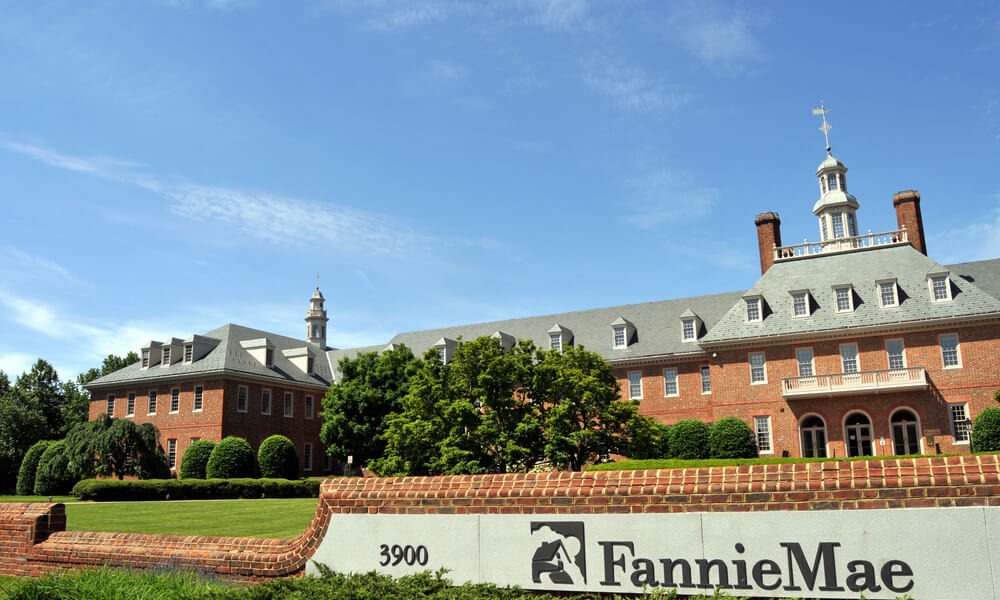
How Fannie Mae Is Different from Freddie Mac
Fannie Mae and Freddie Mac, which are government-backed agencies, play an integral role in the American housing system. They buy mortgage loans from lenders, such as banks, package those loans into mortgage-backed securities, and then sell them to investors. Because Fannie Mae and Freddie Mac take on much of the risk, investors generally consider those securities to be safe. These

Comparing Commercial Loan Types for Small Businesses
Every year, at least 29% of startups fail due to cash flow problems, as reported by Statista. Those who opt for commercial loans to boost their financial strength survive longer than the rest. To determine commercial loan eligibility of a business, more than 80% of banks consider factors such as business liquidity, business age, owner experience, owner net worth, and

How to Prepare a Financial Package For a Commercial Loan
For many business owners, knowing the process of preparing a commercial loan package can be one of the most resourceful tools. Although this process may seem overwhelming and even frustrating, it is very important to get right when considering your financial future. When preparing your commercial loan application, here is what you need to know about preparing a financial package.

Commercial Real Estate vs Residential Real Estate: What’s the Difference?
Commercial real estate is property used to run a business or earn income from business tenants, and residential real estate is property people live in. For most lending purposes, a building with one to four units is residential and a building with five or more units is commercial, along with offices, retail, industrial space, and hotels. That unit count is

California Department of Real Estate – Real Estate Broker No. 00388229 |Corp NMLS ID # 1726526
Non-consumer, Business Purpose Loans secured by commercial or residential property.